


Top Diesel Dispensing Control Features
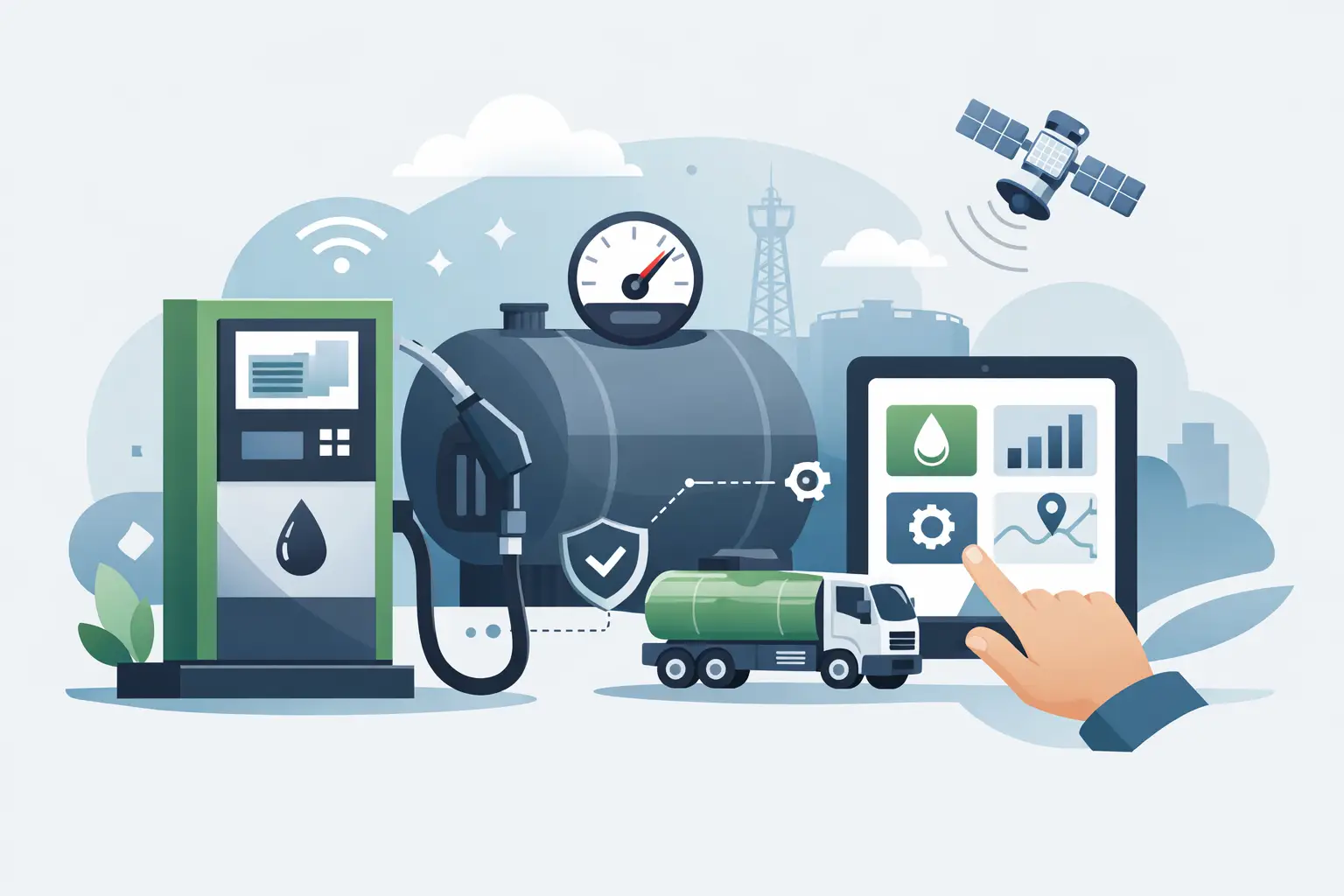
A diesel tank without proper controls is an open invitation to loss. For fleet operators, airports, worksites and mobile fuelling teams, the real cost is rarely just the litres that go missing. It is the wasted admin time, disputed transactions, poor stock visibility and the slow creep of bad habits that no one can trace. That is why the top diesel dispensing control features matter so much – they turn every dispense into a controlled, accountable event.
The right system does more than switch a pump on and off. It should tie access to a real person, capture transaction data automatically, and give managers a live view of what is happening across fixed and mobile sites. If a control feature does not improve security, reconciliation or operational speed, it is probably not earning its place.
What the top diesel dispensing control features should actually solve
Most operators start looking at dispensing controls after a problem becomes too visible to ignore. Fuel theft rises. Manual logs stop matching deliveries. Drivers share PINs. A site manager spends hours trying to reconcile a month of transactions against invoices and tank levels. Those are not separate issues. They are all symptoms of weak control at the point of dispense.
A strong diesel dispensing control system should close those gaps at the source. It should restrict who can dispense, when they can do it, what asset they can fuel, and how every transaction is recorded. It should also reduce dependence on fragile hardware and manual paperwork, because both add cost and friction over time.
That is where buyers need to be careful. Some systems look capable on paper but still rely on pedestal-based hardware, cards that are easily shared, or delayed data uploads that weaken accountability. In practice, the best feature set is the one that gives you immediate control with the least operational drag.
Secure user authorisation is the starting point
If anyone can walk up and activate a pump, the rest of the system is just reporting a problem after it has already happened. Secure user authorisation is the first feature to insist on.
For many fleets, smartphone-based authorisation now makes more sense than keys, cards or common PINs. It ties the dispense event to an identifiable user and allows permissions to be updated centrally. If someone leaves the business, changes role or loses access privileges, they can be deauthorised straight away. That matters far more than many operators realise, especially across multiple depots or mobile fuelling units where local controls are harder to police consistently.
The trade-off is straightforward. A modern authorisation method may require some user training and a basic level of mobile adoption. But compared with the risk of shared cards and handwritten logs, the gain in accountability is significant.
Instant permission changes across sites
This is one of the most underrated diesel dispensing control features. Fleet operations change quickly. Drivers move between routes, subcontractors rotate on and off site, and temporary staff may need short-term access. A good system should let you change permissions in real time rather than waiting for someone to update hardware manually.
That means more than convenience. It reduces exposure. Delayed deauthorisation is one of the easiest ways for unauthorised dispensing to continue unnoticed.
Real-time transaction logging is non-negotiable
If records are uploaded hours later, or worse, entered by hand at the end of a shift, there is too much room for doubt. Real-time transaction logging gives finance teams, operations managers and maintenance leads a clean, auditable record the moment fuel is dispensed.
At minimum, each transaction should capture the user, date, time, location, volume and dispensing source. In many operations, it should also record the vehicle, asset or equipment being fuelled. That level of detail turns fuel activity from a rough estimate into a usable operational dataset.
This is where many businesses see an immediate return. Reconciliation becomes faster because records are already there. Exception checks become easier because odd activity stands out quickly. And when questions come up, managers are not relying on memory or paper notes.
Cloud-based visibility improves control
Cloud-connected systems give decision-makers access to live data without needing to be on site. For multi-location fleets, that is a major advantage. A controller in head office can review dispensing activity across depots. An operations director can spot unusual usage on a mobile bowser. A maintenance manager can compare fuel draw against vehicle utilisation.
There is an important distinction here. Cloud access is only valuable if the information is current and easy to act on. A dashboard full of delayed or fragmented data does not help much. The goal is clear oversight, not just more screens.
Asset-level tracking protects both fuel and equipment
Knowing who dispensed fuel is only part of the picture. You also need confidence about what was fuelled. Asset-level tracking links the transaction to a specific lorry, generator, excavator or support vehicle.
This feature helps expose several common problems. It shows when fuel volumes do not match an asset’s expected consumption. It helps identify duplicate fills. It also supports preventative maintenance by improving fuel usage records over time.
For mixed fleets, this becomes even more valuable. Road vehicles, off-road equipment and mobile fuel units do not all behave the same way. Without asset-specific data, unusual consumption can hide inside the averages.
There are different ways to capture this information, and what works best depends on the operation. Some sites need a fast, driver-friendly workflow. Others need stricter verification because the fuel risk is higher. The best system is the one that balances compliance with speed at the pump.
The best diesel dispensing control features reduce manual reconciliation
Fuel control is not just a security issue. It is also an admin burden when systems are disconnected. Purchase records sit in one place, tank readings in another, and dispense logs somewhere else entirely. Then someone in finance is left trying to make them line up at month end.
A better approach is to create a single stream of transaction data automatically as dispensing happens. That does not remove every reconciliation task, but it cuts out much of the manual effort and makes discrepancies easier to investigate.
This matters especially for businesses managing both fixed tanks and mobile fuelling vehicles. Complexity rises quickly when fuel is moving between sites, crews and asset classes. A unified control system brings those activities into one accountable record instead of forcing teams to piece events together afterwards.
Alerts, exceptions and reporting drive better decisions
A diesel dispensing control system should not simply store data. It should help operators spot what needs attention. Exception reporting is one of the most commercially useful features because it highlights activity outside normal patterns.
That could be dispensing outside approved hours, unusually high volumes, repeated fills against the same asset, or activity from a location that should be idle. Those alerts allow managers to act early, before loss grows or bad practice becomes routine.
Reporting also needs to serve different audiences. Site managers may care about daily usage and stock position. Finance teams need auditable transaction histories. Senior operations leaders want trend visibility across sites. One system should support all three without making users wrestle with spreadsheets.
Hardware simplicity matters more than many buyers expect
It is easy to focus on software features and overlook the cost of the physical setup. But diesel dispensing controls live in demanding environments. Rain, dust, vibration and rough handling all affect reliability. Complex pedestal-based systems often bring higher install costs, more failure points and more maintenance over time.
That is why hardware simplicity is a feature in its own right. Fewer moving parts, faster installation and centralised software updates usually mean lower total cost of ownership. It also means less disruption when a site expands or a mobile fuelling unit is added.
For operators comparing options, this is worth pressing on. A cheaper-looking system can become expensive if it needs frequent service visits or site-specific workarounds. A modern setup should be rugged, practical and straightforward to maintain.
Mobile and fixed site control should not be separate problems
Many fleets still treat depot tanks and mobile fuelling assets as different control challenges, often with different processes and technologies. That creates reporting gaps and inconsistent enforcement.
A stronger model is one system that applies the same rules and captures the same standard of data wherever dispensing happens. That consistency improves training, reporting and compliance. It also makes growth easier, because adding new locations or mobile units does not mean building a parallel process from scratch.
This is where Manage Every Drop’s approach resonates with many operators. When access control, cloud logging and transaction visibility work across both fixed and mobile dispensing, accountability becomes easier to maintain at scale.
What matters most when choosing features
Not every business needs every advanced function on day one. A small private fleet may start by focusing on pump lock-down, user authorisation and transaction logging. A larger operation with multiple depots may prioritise central permissions, exception reporting and asset-level analysis. The key is to choose features that solve present risks while leaving room to tighten control as the operation grows.
The best buying question is not, what features are available? It is, what failures can this system prevent, and how quickly can our team act on the information it gives us? That keeps the conversation grounded in outcomes rather than specifications.
When diesel dispensing is controlled properly, fuel becomes easier to account for, easier to reconcile and much harder to misuse. That is not just better security. It is a more disciplined, more profitable way to run a fleet.


Post a comment