
Fuel Management Software That Cuts Losses
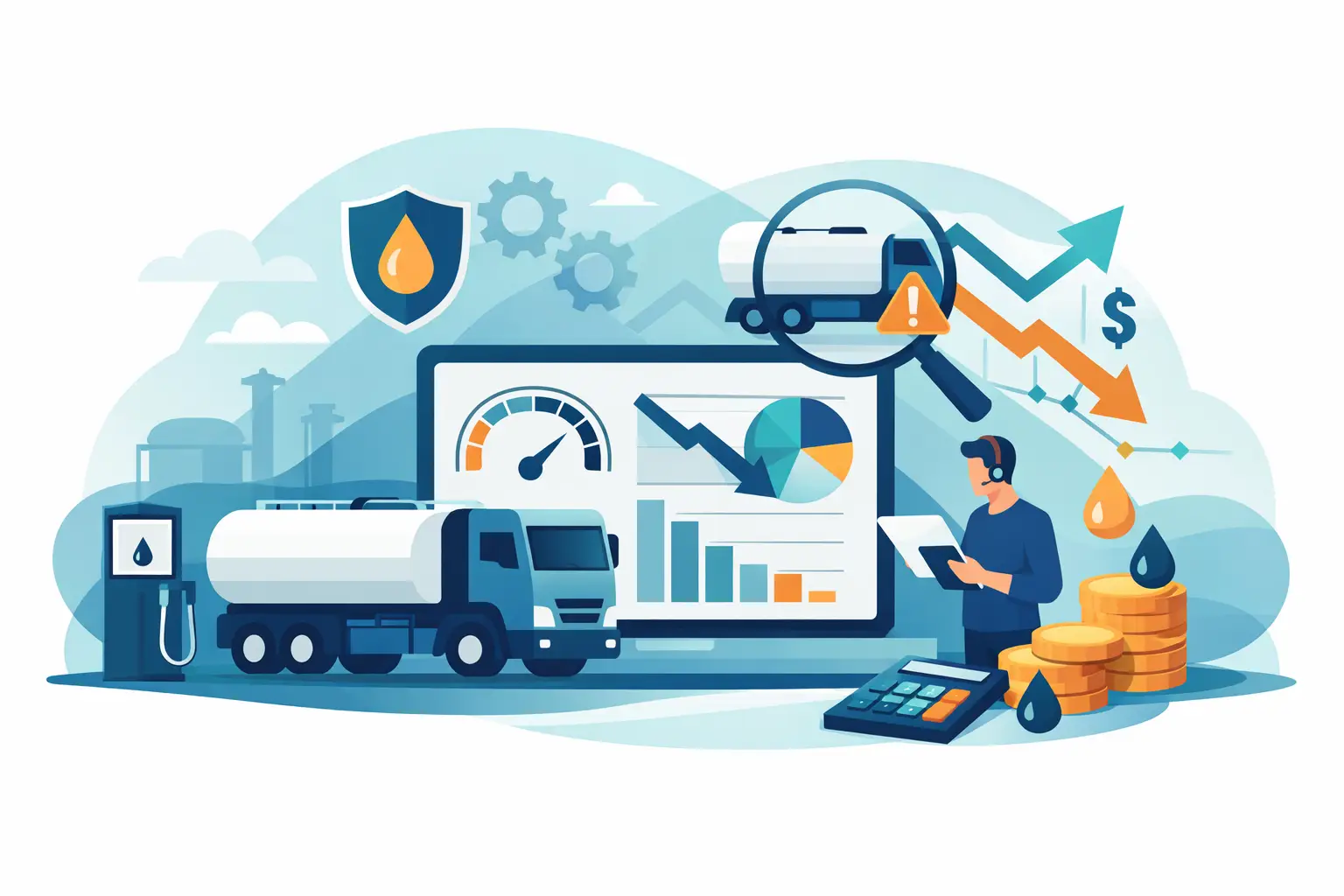
A litre disappears here, a handwritten log goes missing there, and by month end the numbers still do not reconcile. For fleet operators, airports, councils and mobile fuelling teams, that is exactly where fuel management software proves its value. It turns dispensing from a trust-based process into a controlled, auditable operation where every transaction is tied to a person, a vehicle, a time and a location.
The problem is rarely fuel alone. It is the chain of weak points around it – shared PINs, lost keys, manual entries, delayed paperwork, unclear tank levels and too many systems that do not speak to each other. When those gaps add up, you get shrinkage, billing disputes, downtime and finance teams chasing answers after the fact. Good software closes those gaps at the point of dispense, not weeks later in a spreadsheet.
What fuel management software should actually do
At its best, fuel management software is not just a reporting tool. It should control access before a pump starts, capture transaction data automatically, update records in the cloud and make that information usable for operations, maintenance and finance. If a driver is no longer authorised, access should be removed immediately. If a mobile fuel unit is dispensing on a remote site, the transaction should still be captured against the right asset and user.
That sounds straightforward, but there is a practical distinction buyers need to make. Some systems focus heavily on after-the-event reporting. Others are built around real-time control and accountability at the pump. If your main issue is reconciling card statements, reporting may be enough. If your issue is unauthorised dispensing, missing fuel or inconsistent controls across several depots, software alone is not enough unless it is connected to secure hardware and reliable authorisation.
This is why many legacy systems create frustration. They often rely on pedestal-based equipment, site-specific infrastructure and higher maintenance overhead. They can work, but they are expensive to roll out, cumbersome to update and difficult to standardise across fixed and mobile operations. For growing fleets, that complexity quickly becomes a cost line of its own.
Where fuel loss really happens
Fuel theft is only part of the story. Loss often comes from routine process failure. A nozzle is used outside shift hours. A vehicle is fuelled under the wrong registration. A contractor keeps access longer than they should. A mobile tanker makes a delivery that is recorded late, or not at all. Inventory counts are done manually and do not match actual usage.
These are not dramatic events, which is why they persist. They sit in the grey area between operations, maintenance and accounts. No single error is large enough to trigger an investigation, but over a quarter or a year the pattern becomes expensive.
The right system reduces that exposure by making every dispense event specific and defensible. Who took the fuel? Which asset was fuelled? How much was dispensed? Was that person authorised at the time? Did the transaction happen on a depot tank or a mobile unit? When the data answers those questions automatically, disputes become easier to resolve and irregular activity becomes harder to hide.
The features that matter most
Not every fleet needs the same setup, but the strongest fuel management software tends to share a few essentials. First is secure user authorisation. Access should be tied to a verified person, not just a shared card or a code written on a wall. Smartphone-based authorisation has become especially attractive because it removes extra fobs and cards while giving managers central control.
Second is real-time transaction logging. If records only update at the end of the day, you are still operating with delay built in. Cloud-connected systems give operations and finance teams the same current view, which matters when sites are spread out or dispensing happens from mobile units.
Third is auditability. A transaction record should stand on its own without requiring someone to interpret handwriting, chase a driver or reconstruct events from memory. That is important for internal control, customer billing and environmental accountability.
Fourth is simplicity. Plenty of systems promise control but add complexity in installation, maintenance or training. A lower-cost setup that is easier to deploy across multiple sites often delivers better long-term results than a feature-heavy platform that staff avoid using properly.
Why hardware still matters in fuel management software
Software gets most of the attention, but fuel control lives or dies at the point where the pump is activated. If access control is weak, the reporting layer just documents a flawed process. Secure, rugged hardware is what enforces policy in the real world.
That matters even more in harsh operating environments. Outdoor tanks, industrial depots and mobile fuel lorries do not reward delicate systems. Equipment has to stand up to weather, vibration and daily use without constant service calls. A practical solution combines durable hardware with software that is easy to update centrally.
This is where a modern approach has a clear advantage over traditional pedestal-based architecture. Instead of relying on heavier site infrastructure and more moving parts, newer systems can deliver authorisation, logging and visibility with far less hardware complexity. For operators watching total cost of ownership, that is not a small detail. It affects installation time, maintenance burden and how quickly a new site can be brought under control.
The operational payoff for fleet teams
For operations directors, the win is consistency. Rules can be applied across multiple sites and changed quickly when staffing, contractors or routes change. For maintenance managers, accurate fuelling records help spot underused assets, unusual consumption or possible mechanical issues. For finance teams, reconciliation becomes faster because dispensing records are already time-stamped and attributable.
There is also a measurable effect on behaviour. When users know that dispensing is authorised individually and recorded automatically, informal workarounds tend to disappear. That does not just reduce theft risk. It improves discipline across the entire fuelling process.
In practice, the biggest savings often come from a combination of smaller gains: fewer disputed transactions, less manual admin, lower maintenance on older control equipment, tighter inventory oversight and less downtime spent chasing missing information. Buyers sometimes look for one dramatic return metric, but in most fleets the value shows up across several departments at once.
Choosing fuel management software for fixed and mobile sites
This is where many buying decisions become more nuanced. A single depot with stable staffing has different needs from a business running multiple yards, remote assets and mobile fuelling vehicles. The more distributed the operation, the more important centralised permissions and cloud reporting become.
If you fuel from both fixed tanks and mobile units, ask whether one system can manage both without creating separate workflows. Separate systems may seem manageable at first, but they usually create duplicated admin and inconsistent controls. One platform for both environments gives you cleaner reporting and fewer gaps in accountability.
You should also ask how quickly users can be authorised or deauthorised. In real operations, staffing changes do not wait for an installer visit. Access control needs to move at the pace of the business.
And then there is support. A cheaper quote is not always cheaper once downtime and service delays are factored in. Buyers should look at response expectations, update methods and what ongoing aftercare actually looks like. Technology only protects fuel if it stays operational.
What a modern standard looks like
The strongest systems now combine smartphone authorisation, cloud-connected transaction records and simplified hardware at the pump. That combination gives fleet operators tighter control without the overhead of older architectures. It is also far easier to scale.
Manage Every Drop has built its approach around that model because it solves the real problem: not just recording fuel use, but securing every dispense event and making the data instantly usable. For organisations that need accountability across depots, airfields or mobile fuelling operations, that shift is more than a software upgrade. It is a better operating standard.
If you are reviewing your current setup, the key question is simple. Does your system merely tell you what happened, or does it actively prevent the wrong thing from happening in the first place? That distinction is usually where the savings begin – and where peace of mind becomes operational fact.


Post a comment